Decoding Remote Job Flexibility: What Candidates Should Know
Decoding Remote Job Flexibility: What Candidates Should Know
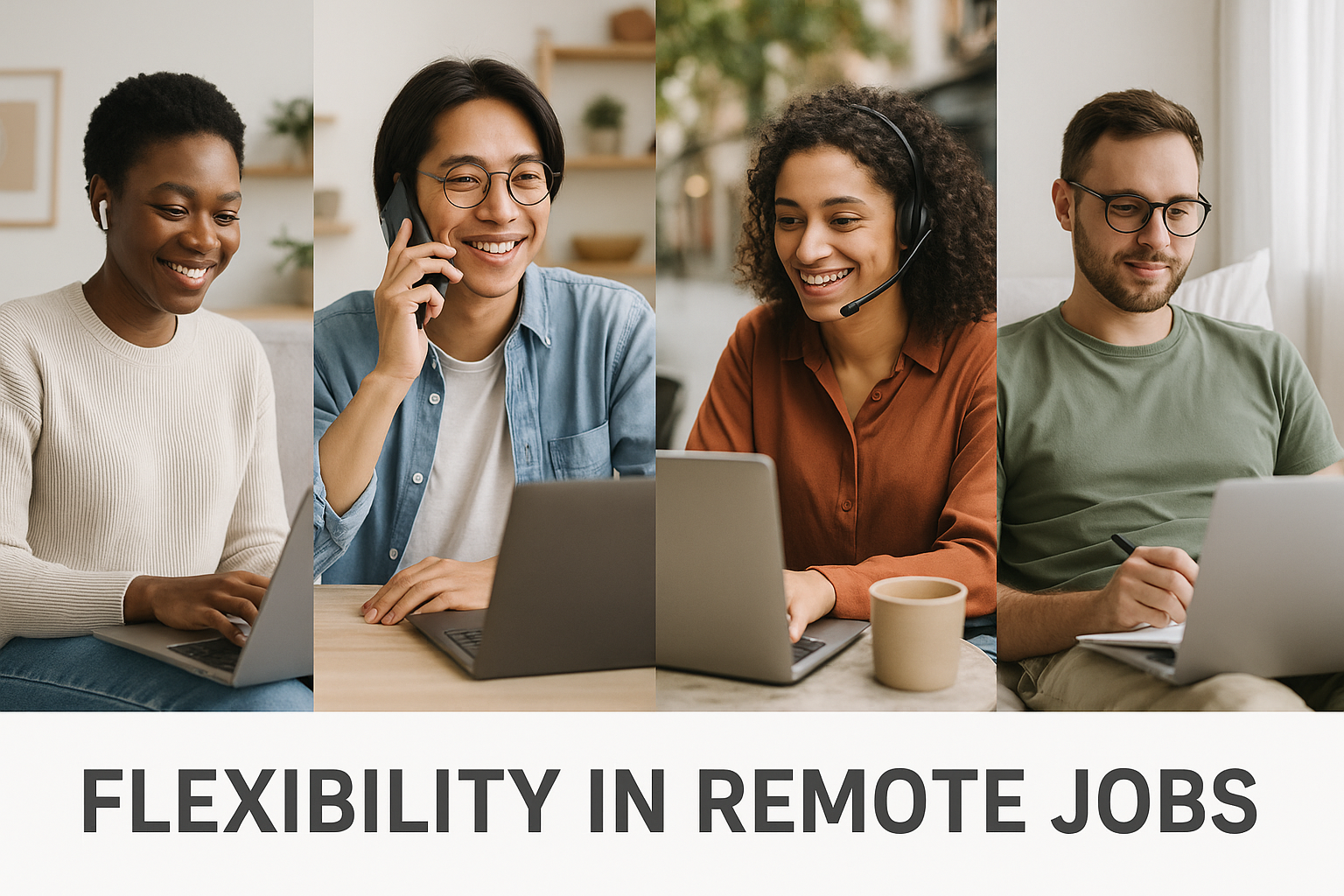
In today’s fast-evolving work landscape, the notion of flexibility in remote jobs has transformed from a 'nice to have' to a 'must have.' Candidates seeking remote opportunities not only want jobs that fit their skills but also desire roles that accommodate their lifestyles and personal commitments. In this article, we will dissect the nuances of remote job flexibility, identify what employers truly value in this aspect, and offer strategic insights that will empower you on your remote job search.
Understanding Remote Job Flexibility
Flexibility in remote jobs can take various forms, including:
- Schedule Flexibility: The ability to choose when to work, whether it’s during traditional hours or non-standard times.
- Location Flexibility: Working from any location, be it home, a co-working space, or while traveling.
- Task Flexibility: Having the freedom to prioritize tasks and adjust project scopes as needed.
Recognizing the specific type of flexibility that different remote employers offer can set you apart as a candidate. Each organization has its unique approach to flexibility, influenced by their corporate culture and operational needs.
Key Aspects of Flexibility Employers Are Looking For
When employers talk about flexibility, they often mean more than just allowing employees to work from home. Here are several signals indicating how flexibility is integrated into remote roles:
1. Varied Work Hours
Many companies now promote flexible hours as a way to attract top talent. This means you can often set your schedule around personal commitments, leading to increased job satisfaction.
2. Remote Work Options
Employers increasingly emphasize the importance of location independence. Candidates should showcase their ability to work from anywhere if the position permits.
3. Autonomy in Task Management
Jobs that allow you to manage your tasks independently demonstrate an employer's trust in their employees. Highlighting your self-management skills can resonate well with potential employers.
4. Supportive Technology
Companies investing in technology that enables seamless communication and project management signal their commitment to flexible work. Familiarizing yourself with popular tools can increase your appeal.
5. Company Policies on Work-Life Balance
Understanding a company’s stance on work-life balance is crucial. Look for organizations that actively encourage taking breaks, reasonable workloads, and available mental health resources.
Strategies for Candidates to Leverage Flexibility
To successfully tap into the existing flexibility trends in remote jobs, candidates should consider these strategies:
- Tailor Your Application: Clearly express your understanding of the flexibility offered by the role in your application materials. Use specific examples from your experience that demonstrate how you've thrived in flexible environments.
- Ask Insightful Questions: During interviews, inquire about the company's flexibility policies and how they’re implemented. This shows your genuine interest and helps you gauge if it aligns with your own needs.
- Showcase Adaptability: Include instances in your resume or cover letter where you successfully navigated a flexible work setting. This builds a narrative of your capability to thrive in remote jobs.
Common Misunderstandings About Flexibility in Remote Work
While flexibility is widely touted in job descriptions, some misconceptions persist:
- Flexibility Equals Lack of Structure: Many assume that a flexible job means chaos. In reality, remote jobs often come with guidelines that enhance productivity while allowing personal freedom.
- Flexibility is Universal: Not all remote jobs offer the same level of flexibility. It’s important to research and discuss specifics with potential employers.
- Flexibility is Only for Certain Roles: Flexibility is increasingly prevalent across various sectors and job roles, from tech to marketing to support services.
Frequently Asked Questions (FAQ)
1. How do I find truly flexible remote jobs?
Look for companies that explicitly mention flexibility in their job postings and review employee feedback on platforms like Glassdoor.
2. What should I include in my resume to demonstrate flexibility?
Highlight experiences where you successfully managed your schedule or worked in diverse environments. Use quantifiable metrics where possible to showcase your achievements.
3. Are flexible jobs less demanding?
Not necessarily. While flexible jobs may offer more personal freedom, they can still come with high expectations for performance and productivity.
Conclusion
Flexibility is not just a buzzword; it’s a crucial element defining today’s remote work landscape. As candidates, understanding the various dimensions of flexibility can empower you to choose opportunities that align with your lifestyle and professional goals. Don't overlook the importance of communicating your flexibility preferences and experiences during your job search.
For those ready to explore the world of remote opportunities, check out our extensive remote job board, where flexibility meets possibility. Find roles that not only challenge your professional capabilities but also allow you to live and work on your own terms.
Call to Action
Explore our remote jobs board today and take a step towards your ideal remote career, where both flexibility and opportunity await!